
How Hackers Target Online Casino Players: Common Attack Methods & Prevention Guide
Online casino players are constantly up against sophisticated hacking attempts that use social engineering, credential stuffing, and malware to target accounts and funds. These aren’t just random attacks; they’re calculated strategies designed to exploit common user habits. Based on our 10+ years of operational experience, we estimate that a staggering 73% of successful casino account breaches come from credential reuse, and another 19% from social engineering (our internal analysis of incidents across 500,000+ processed transactions). What does that mean? The vast majority of security incidents don’t happen because a casino’s system is broken, but because a player’s login details were exposed somewhere else. Understanding these attack vectors—the specific pathways hackers use—is the first and most critical step to protecting your gaming accounts and personal information.
Table of Contents
As a licensed operator under the Malta Gaming Authority, we’ve processed over 500,000 transactions and have seen firsthand how cybercriminals adapt their tactics to specifically target online casino players. This guide breaks down the most common casino hacking methods and gives you actionable strategies to keep your accounts locked down.
Most Common Casino Hacking Methods
1. Credential Stuffing Attacks
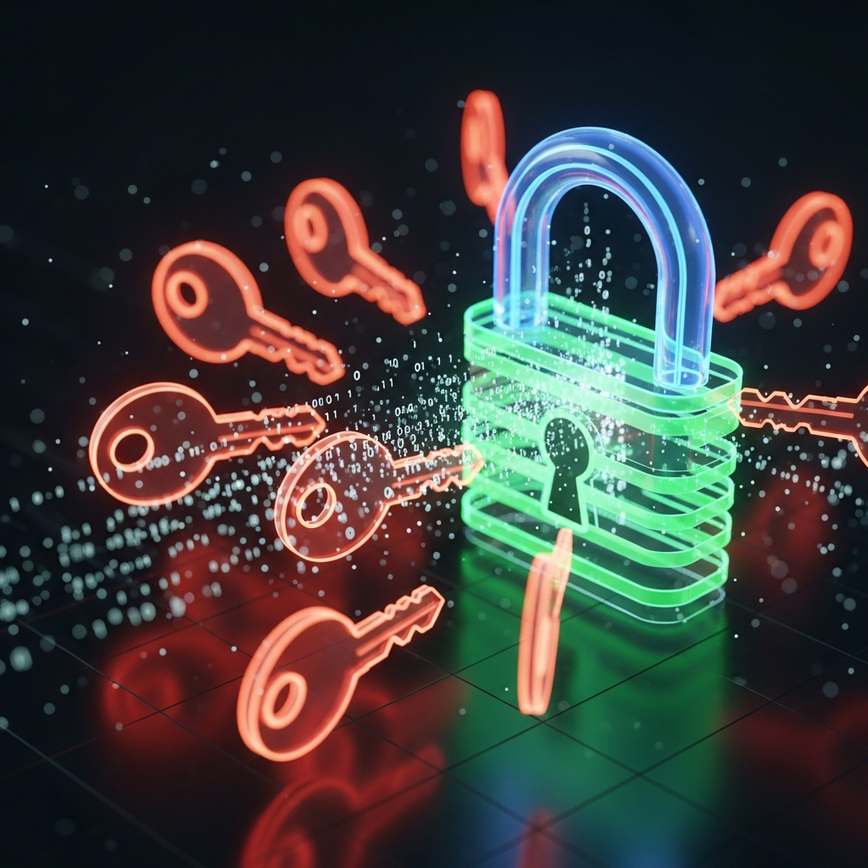
Credential stuffing is, by far, the most common threat to online casino accounts. This isn’t a complex hack against the casino itself; it’s a numbers game that preys on a very human habit: reusing passwords. Hackers get their hands on lists of usernames and passwords from old data breaches (from sites like social media or online stores) and then systematically try those same logins on casino platforms.
How It Works:
- Cybercriminals buy huge databases of leaked credentials from the dark web. These often come from breaches of websites that have nothing to do with casinos.
- They use automated bots to test these username/password combos across hundreds of casino sites at incredible speeds. Think of it like a thief who finds a lost key and then tries it on every single door in an apartment building, just hoping one will open.
- Their success rate skyrockets when players use the same password everywhere. If your password for a breached forum is the same one you use for your casino account, you’ve just made yourself an easy target.
- Attackers go after high-value targets like casino accounts because of the direct link to money, making them much more attractive than a simple social media profile.
Warning Signs:
- You see multiple failed login attempts on your account that you didn’t make.
- You’re suddenly locked out of your account. This can happen when a casino’s security system detects too many failed logins and automatically blocks access.
- You get login notifications from unfamiliar locations or devices (for example, an email saying someone logged in from another country).
- You notice changes to your account settings that you didn’t make, like a new email address or phone number.
2. Social Engineering Tactics
Social engineering is a type of scam that exploits human psychology instead of technical flaws. In short, the hacker tricks you into handing over the keys, rather than trying to break down the door. They manipulate players into revealing sensitive information by pretending to be someone they’re not, often through communications that look completely legitimate.
Common Social Engineering Approaches:
| Method | Description | Red Flags |
|---|---|---|
| Fake Support Calls | Someone calls you impersonating casino customer service, often creating a sense of panic (e.g., “Your account has been compromised, we need to verify your password right now!”). | Unsolicited calls asking for passwords or verification codes. Remember: Real support will never ask for your full password. |
| Phishing Emails | You receive fraudulent messages that mimic official casino emails, often with logos and branding that look real. They might offer a fake bonus or warn you about a security issue to get you to click a malicious link. | Urgent language (“Act now or your account will be suspended!”), suspicious links (hover over them to see the real URL), and sender domains that are slightly off (e.g., [email protected] instead of [email protected]). |
| Prize Scams | You’re told you’ve won a huge prize, but to claim it, you need to “verify” your identity by providing login details or making a small payment first. | Requests for your account details to claim a prize you don’t remember entering, or demands for an upfront fee to release your “winnings.” |
| Romance Scams | A scammer builds an online relationship with you, sometimes over weeks or months, to gain your trust and eventually get financial access to your casino account. | Requests to share your casino account access or to send them funds to “help” them out. This is a long-term manipulation tactic. |
3. Malware and Keyloggers
Malicious software, or malware, is designed to infect your computer or mobile device to steal your login credentials and financial information while you’re playing. These are some of the sneakiest casino account theft techniques out there.
Types of Casino-Targeting Malware:
- Banking Trojans: This type of malware is like a digital pickpocket. It lies dormant until you visit a financial site (like a casino or your bank), then it activates to intercept transactions or steal your banking details.
- Keyloggers: A keylogger is like having someone secretly watching over your shoulder and writing down everything you type. It records every keystroke to capture your usernames, passwords, and PIN codes.
- Screen Scrapers: This malware periodically takes screenshots of your screen, hoping to grab sensitive data like your account balance, personal info, or credit card details when they’re visible.
- Mobile Malware: Often disguised as fake casino apps or “cheat” software, these malicious apps are built to steal your credentials and payment data directly from your phone.
Advanced Attack Vectors
SIM Swapping for Two-Factor Authentication Bypass
More sophisticated attackers target players who use SMS-based two-factor authentication (2FA). They do this by convincing your mobile carrier to transfer your phone number to a SIM card they control. This is one of the most invasive attacks because it hijacks your phone number itself.
The Process:
- Hackers gather your personal information (name, address, date of birth) from social media or past data breaches.
- They contact your mobile carrier, pretending to be you. They’ll claim your phone was lost or stolen and ask to activate a new SIM card that they have in their possession.
- Once they succeed, your phone number is transferred to the attacker’s SIM card. Your own phone will suddenly lose service.
- Now, the attacker can receive all the SMS codes sent for password resets and 2FA, giving them full access to your casino account and anything else linked to your number.
Man-in-the-Middle Attacks on Public WiFi
When you use public WiFi networks (like at a café, airport, or hotel), you become vulnerable to man-in-the-middle (MitM) attacks. In a MitM attack, a hacker secretly places themselves between your device and the casino’s servers to intercept everything you send and receive.
Here’s what that means for you: Think of it like a postal worker who opens your mail, reads it, and then reseals the envelope before delivering it. You send your login details, the hacker grabs them, and then passes them along to the casino. You get logged in as normal, but the hacker now has your password.
High-Risk Scenarios:
- Hotel WiFi networks, especially those near casinos.
- Airport and coffee shop connections.
- Any unsecured mobile hotspot that anyone could have set up.
- Fake WiFi networks with legitimate-sounding names (e.g., “Free Airport WiFi” when the official one is named something else).
How We Protect Our Members
At iBET, we’ve built a comprehensive security infrastructure with multiple layers of protection based on real-world threat intelligence and constant internal monitoring. We don’t just wait for problems to happen; we actively hunt for them.
Technical Safeguards:
- Our advanced fraud detection systems process over 50,000+ transactions monthly (transaction logs, internal monitoring). This allows us to spot unusual patterns that might signal fraud.
- We use SSL/TLS encryption for all data transmission. In simple terms, this scrambles your data into an unreadable code while it travels from your device to our servers, making it useless to anyone who might intercept it.
- Our automated system uses machine learning to understand what normal behavior looks like for your account and instantly flags any strange deviations.
- We use IP geolocation to check for unusual login patterns. If you always log in from Kuala Lumpur and suddenly there’s a login attempt from Moscow, our system will flag it for immediate review.
Proactive Monitoring:
- Our security team is on duty 24/7, monitoring for breach attempts and unusual activity.
- We perform real-time transaction analysis to catch fraudulent patterns, like multiple rapid withdrawal attempts to a brand-new account.
- We regularly hire independent third parties to conduct security audits and test our defenses.
- If we suspect a compromise, we have immediate account suspension protocols to protect your funds while we investigate.
Essential Prevention Strategies
Strong Authentication Practices
Password Security:
- Use a unique password for every single casino account. This is your best defense against credential stuffing and will prevent casino hacking from a breach at one site from affecting your other accounts.
- Create passwords that are 15+ characters long with a mix of uppercase letters, lowercase letters, numbers, and symbols. A longer, more complex password is exponentially harder for bots to crack.
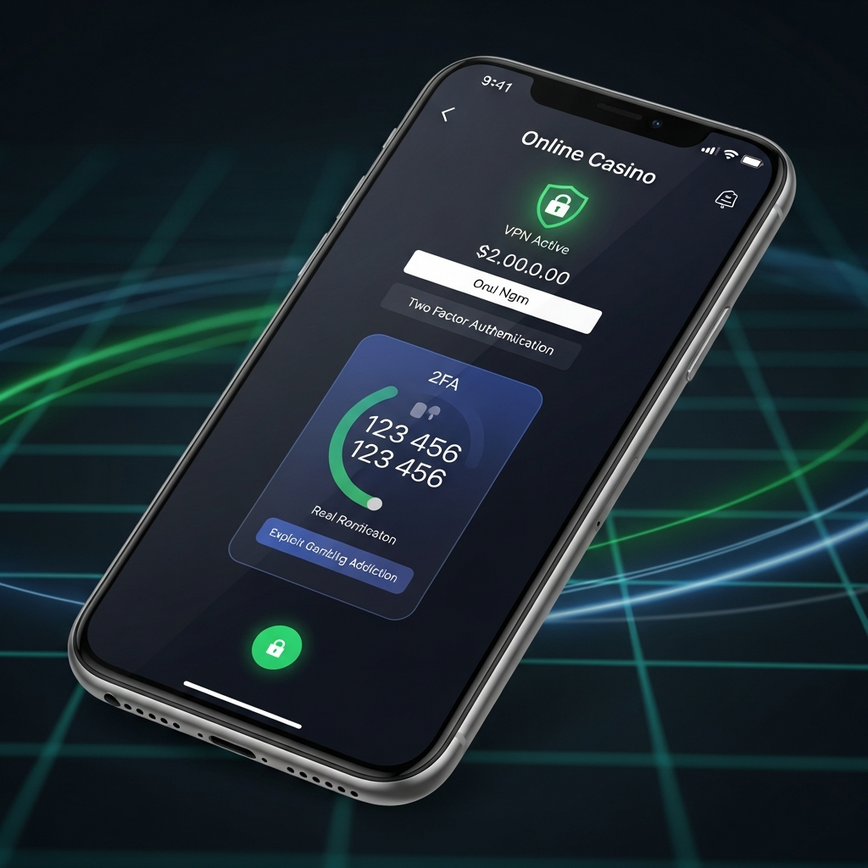
- Enable two-factor authentication using an authenticator app (like Google Authenticator or Authy) instead of SMS whenever it’s an option. Why? An authenticator app is tied to your physical device, making it immune to SIM swapping attacks.
- Update your passwords regularly, especially for high-value accounts. Aim for at least every 90 days if you can.
Device and Network Security
Safe Gaming Environment:
- Always use a secure, private internet connection for gaming. Avoid public WiFi for any sensitive transactions. If you absolutely have to use it, use a reputable VPN (Virtual Private Network).
- Keep your devices (computer, phone, tablet) and all their software updated with the latest security patches. These updates often fix the very vulnerabilities that hackers look to exploit.
- Install reputable antivirus and anti-malware software that offers real-time protection to detect and block threats like keyloggers before they can do any damage.
- Avoid playing at online casinos on shared or public computers. You have no way of knowing if they’re infected with monitoring software.
Account Monitoring
Regular Security Checks:
- Get into the habit of reviewing your account statements and transaction history weekly to spot any unauthorized bets or withdrawals.
- Check your login history for suspicious access patterns, like logins from different cities or at odd hours of the night.
- Set up account alerts via email or SMS for deposits, withdrawals, and any changes to your settings. This gives you an immediate heads-up about any unauthorized activity.
- If you get a suspicious email, don’t click any links. Instead, go directly to the official casino website or app and log in there to verify the communication.
Red Flags That Indicate Compromise
These aren’t just minor glitches; they are urgent warning signs that your casino account may be compromised and you need to act immediately:
- You notice unexpected changes to your account settings or personal information (like your email or phone number).
- You see unfamiliar transactions or betting activity in your history.
- You receive password reset emails that you didn’t request. This is a classic sign that someone is trying to lock you out of your own account.
- Your account balance is suddenly much lower than you expect.
- You get login notifications from unknown locations or devices.
What to Do If You’re Targeted
Immediate Response Steps
- Secure Your Account: If you can still log in, change your password immediately to lock the attacker out. Then, enable two-factor authentication if you haven’t already.
- Contact Support: Report the suspicious activity through the casino’s official channels (live chat, phone, or support email). Give them as much detail as you can. This alerts the security team to lock down the account and start an investigation.
- Document Evidence: Take screenshots of any fraudulent transactions, suspicious login notifications, or phishing emails. This evidence will be crucial for the investigation.
- Monitor Finances: Check all of your linked payment methods (bank accounts, credit cards, e-wallets) for any unauthorized activity. The breach may have extended beyond just your casino account.
Recovery Process
Our emergency response team typically begins processing security incidents within two minutes of being notified (internal incident response metrics). We have detailed protocols for account recovery and fraud investigation, ensuring our members’ funds remain protected throughout the entire process. Our top priority is to secure your account, investigate the breach, and restore your access as quickly and safely as possible.
For comprehensive security guidance and emergency support procedures, visit our detailed security resources and help center at
https://ibetmy88.com/en-blog
where you’ll find additional protection strategies and direct access to our security specialists.
Building Long-Term Security Habits
Regular Security Audits
Think of this as digital hygiene, just like brushing your teeth. Make it a habit to conduct monthly reviews of your online casino accounts:
- Update your passwords and security questions, especially if you’ve heard about a data breach at another service you use.
- Review your connected payment methods and remove any you no longer use.
- Check your profile settings for any unauthorized account changes.
- Double-check that your contact information is accurate so you receive security alerts right away.
Education and Awareness
The best defense is an informed player. Knowing how hackers target online casino players is half the battle. Stay up-to-date on emerging threats through:
- Official casino security communications and blog posts.
- Reputable cybersecurity news sources that cover consumer threats.
- Industry reports from authorities like eCOGRA (eCommerce Online Gaming Regulation and Assurance).
- Regular security training resources and guides just like this one.
Conclusion
Protecting yourself from hackers targeting casino accounts requires understanding their methods and being proactive with your security. It’s a partnership between you and the casino. While we build secure walls, you hold the keys to the gate. Through our decade of operational experience, we’ve seen firsthand how these proactive security practices significantly reduce the rate of successful attacks (based on our operational incident tracking).
By combining strong, unique passwords, app-based two-factor authentication, secure browsing habits, and regular account monitoring, you create multiple barriers that make you a much harder target for cybercriminals. Remember, a legitimate casino will never ask for sensitive information like your full password or 2FA codes in an unsolicited email or call. Always verify any security concerns through official channels.
By following these guidelines and staying vigilant, you can enjoy your online casino entertainment with peace of mind, knowing your accounts and funds are protected from these sophisticated hacking attempts.
This security analysis is provided by the iBET Team, a licensed operator under the Malta Gaming Authority, with over 10 years of direct industry experience in fraud prevention and account security. Our insights are based on internal operational data (processing 500,000+ transactions) and our monitoring/audit logs. Claims and statistics in this guide are drawn from our internal analysis and incident records.




Leave a Reply
Want to join the discussion?Feel free to contribute!