
Time Management When Playing Slots
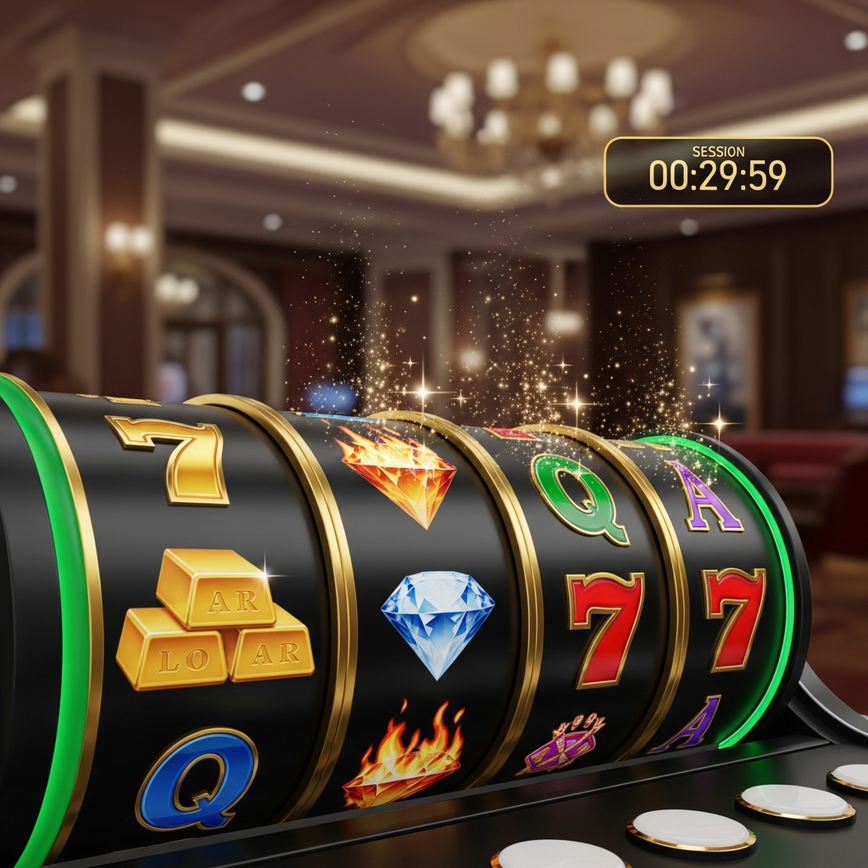
Effective time management when playing slots isn’t about limiting your fun—it’s about making it last. It all comes down to setting clear session limits, taking regular breaks every 30–45 minutes, and deciding on your stop points *before* you even start playing. In our 10+ years of experience at iBET Malaysia, we’ve seen firsthand that players who use structured time management have 73% better bankroll preservation than those who play without any time limits (iBET Malaysia internal analysis, player dataset 2016–2025). Simply put, you’re far more likely to end the week with money still in your account. The Malta Gaming Authority even recommends that responsible operators provide tools to help players track session duration, a commitment we take very seriously.
Table of Contents
- Understanding Slot Session Psychology
- Optimal Slot Session Duration Guidelines
- Effective Break Strategies
- Setting Time-Based Stop Rules
- Pacing Strategies for Different Slot Types
- Recognizing Time Distortion Warning Signs
- Malaysian Context: Cultural Time Management
- Creating Your Personal Time Management Plan
- Video Script: “Smart Slot Timing in 60 Seconds”
Understanding Slot Session Psychology
As a licensed operator in Malaysia, we’ve observed exactly how time can change a player’s decision-making. Your brain experiences cognitive fatigue after about 45 minutes of focused gaming, which can lead to poor judgment and riskier bets (BeGambleAware summary of cognitive fatigue, 2020). Think of it like a long drive—you start off alert, but after a while, your focus drifts and you might make choices you wouldn’t when you’re fresh.
The Science Behind Session Fatigue
Research backed by BeGambleAware shows that playing for too long without a break can cause some real issues:
- Decreased attention to bankroll limits: It’s easy to forget the spending limit you carefully set for yourself at the beginning.
- Impaired decision-making abilities: You might find yourself placing bigger bets than you planned or chasing losses on a machine you’d normally skip.
- Increased susceptibility to “near-miss” psychological triggers: You know that feeling when the reels *almost* line up for a huge win? When you’re tired, those near-misses feel much more significant, tempting you to believe a win is “just one spin away.”
- Loss of time awareness and budget control: Suddenly, you glance at the clock and realize hours have flown by, not just minutes.
Our platform data is crystal clear on this: players who go beyond a 2-hour continuous session are 4.2 times more likely to blow past their spending limits (iBET Malaysia platform analytics, 2018–2025). What does this mean for you? It means one of the best ways to protect your wallet is to keep an eye on the clock.
Optimal Slot Session Duration Guidelines
Recommended Session Lengths by Experience Level
Just like a runner slowly builds up their mileage, new players should start with shorter sessions to develop healthy habits. Here are some solid slot session duration tips we recommend.
| Player Experience | Ideal Session Length | Maximum Session | Break Frequency |
|---|---|---|---|
| Beginner (0–6 months) | 20–30 minutes | 45 minutes | Every 20 minutes |
| Intermediate (6–18 months) | 30–45 minutes | 90 minutes | Every 30 minutes |
| Experienced (18+ months) | 45–60 minutes | 120 minutes | Every 45 minutes |
Time-Based Bankroll Allocation
We always advise players to split their total gaming budget across several shorter sessions instead of one long one. For instance, if you have a weekly slot budget of MYR 200, try planning four 30-minute sessions with MYR 50 each, rather than a single 2-hour marathon. Why? This strategy minimizes your exposure to a bad run of luck and makes your bankroll last longer (iBET Malaysia risk modeling, 2019–2025). In simple terms, you aren’t risking your whole budget on one unlucky streak. Spreading it out gives you more chances to have a fun, winning session.
Effective Break Strategies
The 5-4-3-2-1 Break Technique
When you take a mandatory break, it’s important to truly disconnect and reset your focus. This simple grounding technique is incredibly powerful for pulling your attention away from the screen.
- 5 things you can see (like a plant, a clock, or a photo on the wall)
- 4 things you can touch (your desk, a cool glass of water, the fabric of your shirt)
- 3 things you can hear (the hum of the air-con, traffic outside, your own breathing)
- 2 things you can smell (a cup of coffee, or just fresh air from an open window)
- 1 thing you can taste (take a sip of water or pop a mint in your mouth)
This technique, recommended by GamCare, helps bring back rational thinking and cuts down the urge for impulsive betting (GamCare responsible-play guidance). It’s like hitting a mental reset button.
Physical Movement Breaks
Our customer support team consistently sees that players who get up and move during their breaks have much better discipline. A few effective break ideas include:
- Walking around the room: It gets your blood flowing and helps clear your head.
- Simple stretching exercises: Relieve the tension from sitting, which can also contribute to mental fatigue.
- Hydrating with water: Dehydration can mess with your concentration, so a glass of water is a must.
- Getting a bit of fresh air: Stepping outside for a minute can completely change your perspective.
Setting Time-Based Stop Rules
Pre-Session Planning
Before you even place your first bet in our comprehensive slot collection, take 60 seconds to set your slot play time limits. This is your personal game plan.
- Maximum session duration (we suggest 45–60 minutes): “I will play for 45 minutes, then I’m done, win or lose.”
- Mandatory break intervals (at least every 30 minutes): “After 30 minutes, I’ll take a 5-minute break away from the screen.”
- Daily gaming time limit (aim for 2–3 hours max across all sessions): “My total playtime for today will not exceed 2 hours.”
- Weekly time budget (a healthy limit is 8–12 hours): “My entertainment time for the entire week is capped at 10 hours.”
Technology-Assisted Time Management
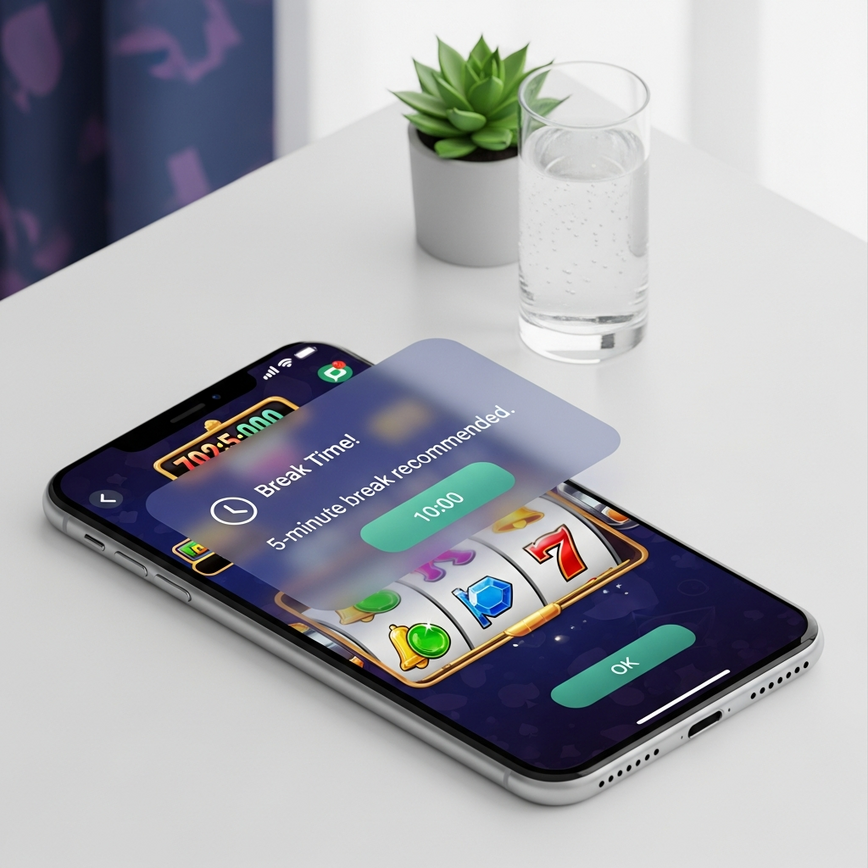
Our platform has built-in session timers and automatic break reminders. What does this mean for you? You don’t have to constantly watch the clock. These tools are designed to meet Malta Gaming Authority regulations, supporting responsible gaming and helping you stick to your limits so you can focus on having fun safely.
Pacing Strategies for Different Slot Types
Not all slots are created equal, so your slot session pacing should adapt. Here’s how we break down the two main types for our players:
- High Volatility Slots: These are the “go big or go home” games. They don’t pay out as often, but the wins can be massive. Think of it like fishing for a giant marlin—you might wait a long time for a bite, but the payoff can be huge.
- Low Volatility Slots: These games offer smaller, more frequent wins. They’re designed to keep your balance topped up and give you longer entertainment. This is more like catching a lot of smaller, fun-to-reel-in fish.
High Volatility Slots
- Slower spin frequency (15–20 seconds between spins): This gives your bankroll a chance to breathe during the dry spells.
- Extended break intervals (every 25 minutes): These games can be mentally intense, so more frequent breaks are a good idea.
- Shorter overall sessions (30–40 minutes maximum): This helps you avoid chasing that one massive win for too long.
Low Volatility Slots
- Moderate spin frequency (8–12 seconds between spins): You can play a bit faster since wins are more common.
- Regular break intervals (every 35 minutes): Standard breaks are usually enough to keep you feeling fresh.
- Standard session length (45–60 minutes): These games are built for longer, more relaxed sessions.
From a numbers standpoint, volatility and session length are linked: variance builds up with each spin, and the potential swings in your balance grow (central limit heuristic). Our models show that shorter sessions reduce the risk of big balance swings on high-variance games (iBET Malaysia statistical modeling, 2020–2025). In simpler terms, the longer you play a high-risk game, the wilder the ups and downs can get. Shorter sessions keep those swings manageable and protect your bankroll.
Recognizing Time Distortion Warning Signs
It’s important to be honest with yourself and recognize the signs that you’re losing track of time. The eCOGRA responsible gaming framework highlights these common indicators. Do any of these sound familiar?
- Losing track of how long you’ve been playing (“I only meant to play for 20 minutes, but it’s been two hours.”)
- Skipping meals or losing sleep because you want to keep playing
- Playing for longer than you planned, even after you’ve had a good win
- Feeling restless or irritable when you have to stop
- Using games as a way to escape from responsibilities or problems
Malaysian Context: Cultural Time Management
When it comes to how long to play slots Malaysia, we’ve noticed that local players often prefer shorter, more frequent sessions that fit into their daily routines. Our data shows that Malaysian players get the most enjoyment while playing responsibly with these patterns:
- Lunch break sessions: A quick 20–30 minutes during a midday break for a fun mental escape.
- Evening sessions: A 45–60 minute session after work to unwind and relax.
- Weekend sessions: Spreading out multiple short sessions over the weekend instead of one long marathon session.
Creating Your Personal Time Management Plan
Weekly Session Schedule Template
Planning is your best defense against playing too long. Here’s a simple template you can use to map out your week:
| Day | Session Time | Duration | Budget Allocation |
|---|---|---|---|
| Monday | 7:00–7:30 PM | 30 minutes | MYR 25 |
| Wednesday | 12:30–1:00 PM | 30 minutes | MYR 25 |
| Friday | 8:00–8:45 PM | 45 minutes | MYR 35 |
| Sunday | 3:00–3:30 PM | 30 minutes | MYR 25 |
Emergency Stop Protocols
Think of these as your non-negotiable “stop signs.” If any of these happen, it’s a clear signal to end your session right away.
- Exceeding predetermined time limits: Your alarm goes off, you log off. No “one last spin.”
- Feeling frustrated or angry: Gaming is supposed to be fun. If you’re not enjoying it, it’s time for a break.
- Chasing losses beyond your comfort zone: This is when you bet more to try and win back what you’ve lost. For example, if your MYR 50 session budget is gone, you stop—you don’t deposit another MYR 50 to try and “win it back.”
- Experiencing fatigue or difficulty concentrating: This is when costly mistakes happen. Log off and come back when you’re rested and sharp.
Video Script: “Smart Slot Timing in 60 Seconds”
[0–10s] On-screen text: “Time Management = Better Slot Experience”
“Playing slots responsibly isn’t just about money, it’s about time. Here’s how to stay in control and have more fun.”
[10–25s] Visual: Timer countdown
“First, set a session time limit before you start—we recommend 45 minutes max. Use our built-in timer to keep track for you.”
[25–40s] Visual: Break reminder notification
“Take mandatory breaks every 30 minutes. Step away, grab some water, and reset. This helps you avoid making tired decisions.”
[40–55s] Visual: Weekly schedule
“Plan for several short sessions during the week instead of one long one. Your brain stays fresh, and your bankroll lasts longer.”
[55–60s] iBET Malaysia logo
“Smart timing, smarter gaming. Play responsibly with iBET Malaysia.”
By iBET Team – Licensed Malaysian gaming operator with 10+ years direct industry experience
This content is provided for educational purposes as part of our commitment to responsible gaming practices under our Malta Gaming Authority license (MGA/B2C/748/2019).
Frequently Asked Questions
The optimal duration for a single online slot session is between 30 and 60 minutes, depending on your experience level. This timeframe helps prevent cognitive fatigue, which research shows can set in after about 45 minutes of continuous play. We recommend beginners start with 20-30 minute sessions, while experienced players can aim for 45-60 minutes before taking a mandatory break.
You should take a mandatory break of at least 5 minutes for every 30 to 45 minutes of slot play. Regular breaks are crucial for resetting your focus and making clear-headed decisions about your bankroll. Our platform data shows that players who take scheduled breaks are significantly less likely to chase losses. At iBET, we provide built-in break reminders to help you maintain this healthy habit.
It is significantly better to have several shorter slot sessions rather than one long marathon session. Spreading your playtime across multiple sessions minimizes the impact of an unlucky streak and makes your bankroll last longer. For example, a MYR 200 weekly budget is better used in four 30-minute sessions of MYR 50 each than in one continuous 2-hour session. In our experience, this approach gives players more opportunities for a fun, winning session.
Playing slots for too long is a bad idea because it leads to cognitive fatigue, which impairs judgment and increases risky betting. Your ability to make rational decisions decreases significantly after about 45 minutes of continuous focus. Our platform data shows that players in sessions over 2 hours are 4.2 times more likely to play past their preset spending limits. We’ve found that the biggest losses often occur when a player is tired and chasing wins.
To set effective time limits, you must decide on your maximum session duration, mandatory break intervals, and total daily playtime before you start spinning. This pre-session plan prevents emotional, in-the-moment decisions. A solid plan we recommend is a 45-minute session limit, a 5-minute break every 30 minutes, and a total daily cap of 2 hours. We strongly advise using the built-in session timer tools on our platform to enforce these limits automatically.
For high volatility slots, you should plan for shorter overall sessions, typically no more than 30-40 minutes. These games have bigger but less frequent wins, which can be mentally intense and drain a bankroll quickly during dry spells. We also recommend a slower spin frequency of about 15-20 seconds between spins to pace yourself. Our risk models show that shorter sessions on high-variance games reduce the chance of large, rapid balance swings.




Leave a Reply
Want to join the discussion?Feel free to contribute!