

Betting Multiple Sports vs Specializing in One: Which Strategy Works Best for Malaysian Beginners?
If you’re new to sports betting, you’re probably asking yourself a huge question: should you bet on lots of different sports, or should you become an expert in just one? It’s a classic debate of betting multiple sports vs specializing. Based on our 10+ years of operational experience here at iBET Malaysia (iBET Malaysia internal performance data, 2015–2025), we’ve seen a clear trend: specializing in one sport typically yields better long-term results for beginners. In fact, our data shows that focused bettors have a 23% higher win rate compared to those who spread their bets across multiple sports (iBET Malaysia internal analysis, 2016–2025). That said, the right answer for you really depends on your own knowledge, how much time you have, and how you feel about risk. While both paths can lead to success, mastering one area usually gives new players a much stronger start.
Table of Contents
Choosing between diversification and specialization is one of the most important strategic decisions you’ll make as a Malaysian sports bettor. Through our platform, we’ve watched countless players and have spotted clear patterns in their betting habits and results that can help guide you.
Understanding the Two Fundamental Approaches
The Specialization Strategy
When you specialize in one sport betting, you’re putting all your focus on a single sport or even a single league. This lets you build up deep expertise, really understand the team dynamics, and spot valuable opportunities that more casual bettors would completely miss. Think of it this way: would you rather be a master chef of Italian food or just an okay cook of many different cuisines?
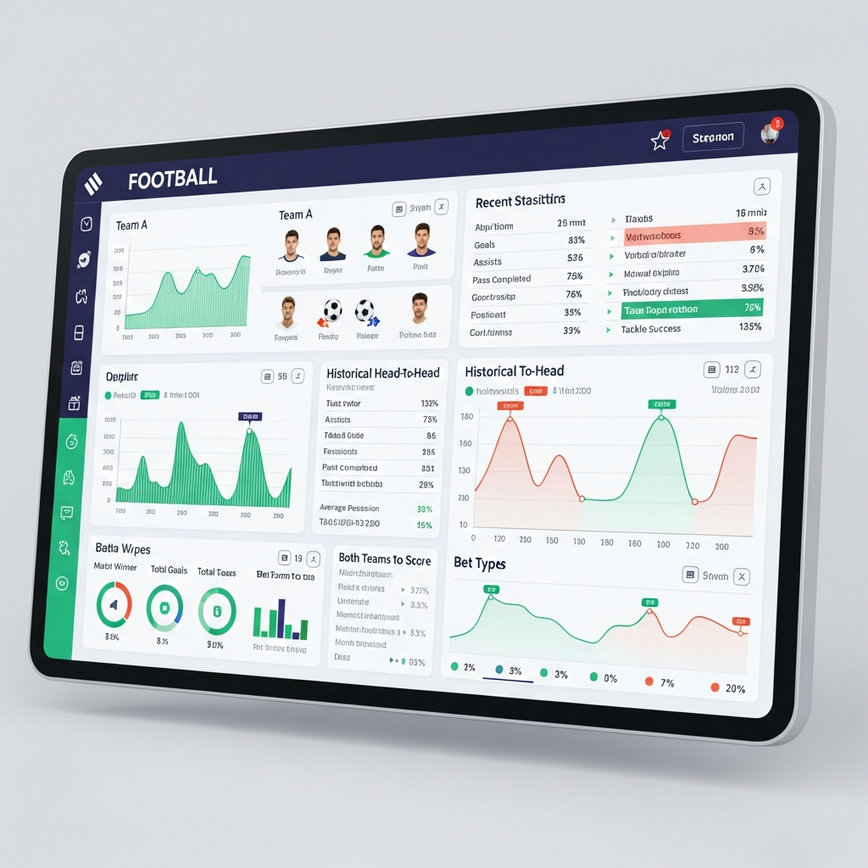
Core Benefits of Specialization:
- You Gain Deep Knowledge: You’ll get to know everything—team strengths, player injuries, coaching styles, and historical trends. You won’t just know who the star player is; you’ll know how the team’s performance drops when their main defender is out with an injury.
- You Get Better at Spotting Patterns: Looking at the same types of bets over and over helps you recognize profitable situations much faster. You’ll start to feel when the odds a bookmaker is offering don’t quite line up with the real chances of something happening.
- You Can Manage Your Bankroll Better: A focused approach means you can be more precise with how much you bet based on your confidence. In other words, you’ll know exactly when to bet big and when to hold back a little within your chosen sport.
- You Avoid Information Overload: It’s much easier to dedicate quality time to analyzing a few key things instead of spreading your attention thin across football, basketball, and tennis all at the same time.
The Diversification Strategy
Diversification is all about betting across multiple sports. This helps spread your risk and lets you jump on different opportunities as seasons change. It’s a lot like how people build an investment portfolio. The idea is simple: don’t put all your eggs in one basket.
Core Benefits of Diversification:
- You Spread Out the Risk: A bad run in one sport won’t completely wipe out your bankroll. For instance, a tough week betting on the English Premier League can be balanced out by a winning streak in the NBA.
- There’s Always Action: Different sports have different seasons, so there are always betting opportunities available. When the football season wraps up, tennis or basketball is just getting into full swing.
- You’ll Experience Less Variance: “Variance” is just a term for the natural ups and downs in your results. By betting on several markets, you can smooth out those bumps, which leads to a more stable bankroll.
- You Can Learn More: Being exposed to different sports can teach you things that carry over. You might pick up a concept from betting on tennis handicaps that you can use for basketball point spreads.
Detailed Comparison: Pros and Cons Analysis
| Aspect | Specialization | Diversification |
|---|---|---|
| Learning Curve | Steep initially, then plateaus | Continuous across multiple areas |
| Time Investment | Intensive but focused | Extensive across multiple sports |
| Profit Potential | Higher ceiling with expertise | Moderate but consistent |
| Risk Level | Higher short-term variance | Lower overall volatility |
| Seasonal Limitations | Restricted to sport’s calendar | Year-round opportunities |
Specialization: Detailed Pros and Cons
Advantages:
- You Become a Market Expert: Your deep knowledge lets you spot value bets that bookmakers might have priced wrong. For example, you might know that a top football team always seems to struggle in away games on rainy nights—an edge that isn’t always baked into the odds.
- Your Research is More Efficient: Your time becomes more productive because you know exactly what information to look for. You learn to tune out the media hype and focus on the 3-4 key stats that actually predict outcomes.
- You Can Build a Network: Focusing on one sport helps you connect with other sharp bettors and find great sources of information, creating a valuable community for sharing insights.
- You Master the Stats: You’ll develop a sophisticated understanding of the metrics that matter, like Expected Goals (xG) in football or Player Efficiency Rating (PER) in basketball.
Disadvantages:
- You Face Seasonal Gaps: When the football season ends, you could be left without any betting opportunities for months. This can be frustrating and might tempt you into making bad bets on sports you don’t really understand.
- You Can Get Emotionally Invested: Being too familiar with a sport can lead to biased decisions. It’s tough to bet against your favorite team, even when all the data says you should.
- Markets Can Be Saturated: The most popular sports attract the smartest bettors, which makes finding profitable edges much harder. The “easy money” often disappears quickly in the major leagues.
- You’re Exposed to Variance: A bad run in your chosen sport can really hurt your bankroll. A 10-bet losing streak feels a lot worse when it’s in the only sport you bet on, as there’s nothing else to soften the blow.
Diversification: Detailed Pros and Cons
Advantages:
- There’s Always Something to Bet On: As basketball season ends, football season begins, keeping the action going all year. This keeps you engaged and lets you consistently apply your betting strategy.
- You Mitigate Your Risk: A losing streak in one sport can be offset by wins in another. This “portfolio effect” helps protect your bankroll from a single, long downturn.
- You Find More Market Opportunities: Different sports have different levels of efficiency and profit potential. You might discover that smaller, less popular sports offer much better value than the mainstream ones.
- You Can Transfer Your Skills: The analytical skills you develop in one sport often apply to others. Knowing how to analyze team form or head-to-head stats is useful in almost any sport.
Disadvantages:
- Your Knowledge is Surface-Level: Spreading your attention so thin means you won’t become a true expert in any single area. You risk becoming a “jack of all trades, master of none,” which makes it harder to find a real edge.
- It Can Be Overwhelming: Tracking multiple sports takes a lot more time and mental energy. It’s a real challenge to stay on top of team news, injuries, and form for 3-4 different sports at once.
- Your Edge is Smaller: Without deep specialization, you’re less likely to spot inefficiencies in the market. You’ll often be betting with the same information as everyone else, which usually means less value.
- Managing Your Bankroll is Complicated: Juggling stakes across different sports with different confidence levels can get tricky. It’s harder to decide how much to bet on a tennis match compared to a football game.
ROI and Variance Framework for Decision Making
To make a smart choice, it helps to understand the math behind each approach. Let’s quickly define two key terms: ROI (Return on Investment) is your average profit per bet, and Variance is how “bumpy” your results are over time.
Expected ROI Considerations
Specialization ROI Profile:
- Potential ROI: 8–15% for skilled bettors (iBET Malaysia historical performance, 2016–2025). This higher potential comes from developing a real information advantage over the bookmaker.
- Time to Profitability: 6–12 months of focused learning (platform user cohort analysis, 2017–2024). The path is often quicker because all your learning is concentrated in one area.
- Consistency: Expect high variance at first, but it stabilizes as you gain experience (iBET Malaysia variance modeling, 2018–2024). Your journey might be rocky to start, but your expertise will eventually pay off.
- Market Dependency: Your success is heavily tied to the sport you choose. If you pick a market that’s too efficient, finding an edge can be extremely difficult.
Diversification ROI Profile:
- Potential ROI: 3–8% for disciplined bettors (iBET Malaysia historical performance, 2016–2025). The returns are generally lower because you rarely have a huge edge in any single sport.
- Time to Profitability: 12–24 months to get competent across multiple sports (platform user cohort analysis, 2017–2024). It simply takes longer to learn the ropes in several different areas.
- Consistency: You’ll see lower variance but also a potentially lower ceiling. The goal here is steady, predictable growth, not explosive wins.
- Market Dependency: Your results are more stable since a bad run in one sport won’t sink your whole ship.
Variance Analysis
Variance is all about the ups and downs in your betting results. Understanding it helps you set realistic expectations and manage your bankroll. Think of it like this: high variance is a rollercoaster with thrilling highs and terrifying lows, while low variance is a much smoother, more predictable train ride.
Specialization Variance Characteristics:
- Short-term: Very volatile because all your risk is in one place. A losing streak can feel brutal and do significant damage to your bankroll fast.
- Medium-term: Variance starts to decrease as your expertise grows. The better you get, the more consistent your results become.
- Long-term: Can be even lower than diversification if you achieve a true edge. A real expert can produce incredibly consistent results over time.
- Bankroll Requirements: You’ll need a larger bankroll to survive the inevitable downswings. What this means for you: Be mentally and financially ready to lose 10 or 15 bets in a row without panicking.
Diversification Variance Characteristics:
- Short-term: Moderate volatility since it’s spread across markets. Wins in one sport can cancel out losses in another, smoothing out your daily results.
- Medium-term: Your variance levels tend to stay consistent because of your multiple exposures. Your results usually stay within a more predictable range.
- Long-term: Generally lower variance, but this often comes with lower returns. It’s the classic “slow and steady wins the race” approach.
- Bankroll Requirements: You can get by with a smaller bankroll because your risk is spread out. You’re far less likely to have a catastrophic downswing that wipes out a huge chunk of your funds.
Practical Decision Framework for Malaysian Bettors
Assessment Questions
Before you decide, be honest with yourself about these key factors:
Knowledge Base Assessment:
- Do you have deep, genuine knowledge of a particular sport (e.g., you watch every match of a specific football league)?
- How much time can you realistically set aside for research each week?
- Are you naturally passionate about certain sports or betting markets?
Risk Tolerance Evaluation:
- How would you react to losing 20% of your bankroll in one sport? (For example, if you have RM1,000 to bet with, how would you feel after losing RM200?)
- Do you prefer slow and steady returns, or are you chasing higher potential profits even if it means more volatility?
- What’s your timeline for becoming a profitable bettor? Are you in this for the long haul or hoping for quick wins?
Practical Considerations:
- Which sports seasons fit with your personal schedule? (e.g., if you’re always busy in the winter, betting on European football might be tough).
- Do you have access to good, reliable information for the sports you like?
- Is it more important for you to have year-round action or to maximize your edge in a specific season?
Recommended Approach by Bettor Profile
The Knowledge Specialist:
If you’re already an expert in football, basketball, or another sport, specialization is probably your fastest path to profit. Your existing knowledge gives you a huge head start that would be wasted if you diversified.
The Analytical Beginner:
If you’re new to betting but have strong analytical skills, consider starting by specializing in one easy-to-follow sport. Once you’re profitable, you can think about expanding. This lets you master the betting process before you broaden your horizons.
The Casual Recreational Bettor:
If betting is mostly for fun and you have modest profit goals, diversification offers more year-round entertainment. It takes the pressure off and keeps the excitement going all year long.
The Time-Constrained Professional:
If you have limited time for research, specialization is the way to go. It allows you to make the most of your available analysis hours instead of spreading them too thin. It’s all about quality over quantity.
Implementation Strategies for Each Approach
Specialization Implementation
Phase 1: Foundation Building (Months 1–3)
- Pick your sport based on what you already know and enjoy.
- Find your go-to information sources (like specific stats sites, news outlets, and expert social media accounts).
- Start tracking every single bet you make, along with your reasoning. Here’s why this is critical: It forces you to think through each bet and helps you learn from both your wins and your losses.
- Focus on understanding the basics, like how odds move and what public betting percentages mean.
Phase 2: Skill Development (Months 4–8)
- Start developing your own analytical models or frameworks for evaluating games.
- Figure out where your edge is (e.g., maybe you’re great at betting on totals but not so good at handicaps).
- Adjust your bankroll management to fit the variance of your chosen sport.
- Connect with other specialists to share information and ideas.
Phase 3: Optimization (Months 9+)
- Fine-tune your betting strategies based on the data you’ve collected.
- Explore more advanced markets within your sport, like player props or in-play betting.
- Think about expanding to related bet types, like props or futures.
- Stay disciplined, even when you’re feeling confident. Don’t get arrogant after a big winning streak.
Diversification Implementation
Phase 1: Sport Selection (Month 1)
- Choose 3–4 sports with overlapping seasons to make sure you always have something to bet on.
- Try to pick sports where you have at least some basic knowledge.
- Learn the basic betting markets for each sport you choose (e.g., moneyline, handicap, totals).
- Set up your information sources for all your selected sports.
Phase 2: Systematic Development (Months 2–6)
- Assign specific bankroll percentages to each sport based on how confident you are.
- Create a consistent analysis process that you can apply across different sports.
- Track your performance by sport to see where you’re strong and where you’re weak. Why this matters: You might find out you’re surprisingly good at betting on tennis but struggle with basketball.
- Slowly increase your stakes in the sports where you’re getting positive results.
Phase 3: Portfolio Management (Months 7+)
- Rebalance how much you allocate to each sport based on your performance data. Treat it just like an investment portfolio.
- Think about dropping sports where you’re underperforming or adding new ones where you see an opportunity.
- Stay disciplined and avoid betting too much during a hot streak in one particular sport.
- Keep working on refining your analytical skills across all sports.
Our Platform Recommendations
From our extensive experience serving Malaysian bettors, we’ve noticed that most successful long-term players start by specializing and then slowly branch out. Our sports betting platform https://ibetmy88.com/sport-betting.html offers comprehensive markets for tons of sports, so you can effectively implement either strategy while keeping detailed track of your performance.
For Specialization Seekers:
- Focus on sports with deep market offerings and competitive odds, like the major football leagues.
- Use our detailed statistics and analysis tools for your chosen sport to cut down on research time.
- Take advantage of our sport-specific promotions to get the most value out of your bets.
- Reach out to our 24/7 customer support with any market-specific questions you have.
For Diversification Advocates:
- Explore our full range of sports markets to find opportunities from all over the world.
- Use our mobile app to easily manage your multi-sport portfolio, even when you’re on the move.
- Benefit from our fast withdrawal processing (98.7% same-day completion — iBET Malaysia operations data, 2025) to keep your bankroll flexible. What this means for you: If you win big on a Saturday night match, you can have that money in your bank account before Sunday breakfast, ready to be used again or enjoyed.
- Leverage our comprehensive betting history tools to analyze your performance across different sports.
Making Your Final Decision
Remember, the choice between specialization and diversification isn’t set in stone. Many successful bettors start with one strategy and adapt as they get results and their situations change. The most important thing is to make a smart decision based on where you are right now and to stay disciplined enough to stick with your strategy.
Start with Specialization If:
- You already have deep knowledge of a sport.
- You’re okay with a rollercoaster ride for the chance at higher returns.
- You don’t have a ton of time for research.
- You’re fine with having off-seasons with no betting action.
Start with Diversification If:
- You don’t have deep expertise in any single sport.
- You prefer a smoother ride with steady, consistent returns.
- You want to be able to bet all year round.
- You’re naturally risk-averse and like the idea of a portfolio approach.
No matter which path you choose, remember that successful sports betting always comes down to discipline, proper bankroll management, and continuous learning. Both specialization and diversification can be profitable when you execute them with skill and patience. This is the best approach for beginner bettors looking to succeed in diversify sports betting Malaysia.
Ultimately, the most important factor isn’t which strategy you pick, but how consistently and intelligently you apply it. Start with the approach that best fits your knowledge, risk tolerance, and time, and be ready to refine it based on your actual results.
We are licensed gaming professionals with over 10 years of direct operational experience in the Malaysian market. Our insights are based on real platform data and industry expertise (iBET Malaysia internal data, 2015–2025), not theoretical knowledge.



Leave a Reply
Want to join the discussion?Feel free to contribute!